
Understanding Retail Shopping Centers: What Type Is Right for Your CRE Investment?
If you’re considering purchasing retail commercial real estate, one of the first things to understand is that not all retail centers are created equal. The type of center you purchase can have a major impact on tenant demand, cash flow, risk, and long-term appreciation.
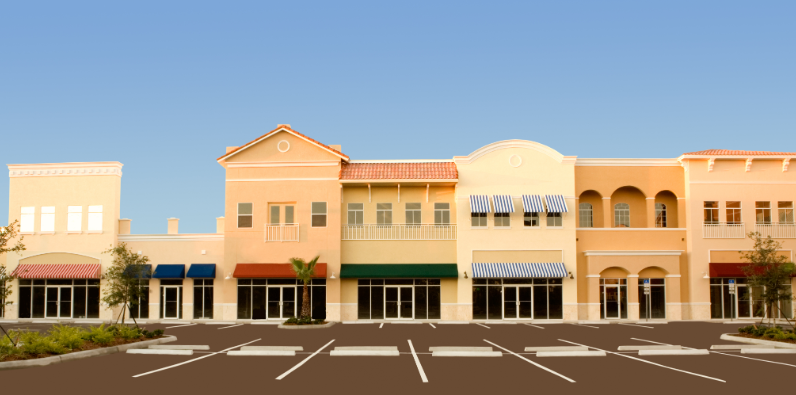
Here’s a quick look at the most common types of retail centers and some of the advantages each can offer an investor:
1. Convenience Centers
Typically smaller properties focused on quick, everyday needs. Think coffee shops, takeout restaurants, salons, dry cleaners, and other service-oriented businesses.
Why consider one:
Lower purchase price and potentially lower barrier to entry
Tenants often serve recurring, everyday needs
Can provide a diversified mix of smaller tenants
Strong fit for high-density residential areas
2. Neighborhood Shopping Centers
This type generally serves the surrounding residential community and often includes a grocery store, pharmacy, or other daily-needs anchor.
Why consider one:
Consistent demand driven by nearby residents
Grocery or other anchors can generate significant traffic
Multiple tenants can help diversify income
Often attractive to investors seeking relatively stable cash flow
3. Community Shopping Centers
This type of retail center is larger than neighborhood centers and designed to serve multiple neighborhoods. Tenants may include grocery stores, fitness centers, restaurants, discount retailers, medical uses, and other larger-format businesses.
Why consider one?
Larger and more diverse tenant mix
Broader customer base
Potential for higher rental income
Opportunities to increase value through leasing, redevelopment, or tenant improvements
4. Strip Centers
Usually a row of storefronts with convenient parking directly in front. Strip centers can range from small convenience properties to larger neighborhood-oriented centers.
Why consider one?
Typically easy access and convenient parking
Flexible tenant mix
Often lower operating complexity than larger centers
Can offer opportunities to improve occupancy and rents
5. Power Centers
These are typically anchored by several large-format retailers, such as home improvement, discount, sporting goods, or furniture stores.
Why consider one?
Major retailers can generate significant traffic
Larger tenant footprints can provide substantial rental income
Strong visibility and accessibility can support tenant demand
Potential for long-term value in high-traffic locations
6. Lifestyle Centers
Open-air, more experiential retail environments that often combine restaurants, entertainment, fitness, and higher-end retail.
Why consider one?
Strong emphasis on experience and customer traffic
Can attract higher-quality tenants
Potential for premium rents in desirable markets
Often located in affluent or rapidly growing areas
Choosing the right property depends on your investment goals.
If your priority is stable, everyday demand, a grocery-anchored neighborhood center may be attractive.
If you’re looking for a lower entry point with opportunities to improve the property, you might consider a smaller convenience or strip center.
If you want scale and larger tenants, a community or power center may make more sense.
If your strategy is focused on long-term appreciation and higher-end demographics, a lifestyle center might be your best bet.
But regardless of the center type, I recommend looking beyond the property itself. Location, tenant quality, lease terms, occupancy, traffic counts, surrounding demographics, competing retail, rent growth, and future development plans can ultimately have a bigger impact on your investment than the center classification.
If you’re considering purchasing retail CRE, I’d be happy to help you evaluate different property types and identify which opportunities best align with your investment goals.
