
Why Data Centers Are One of the Fastest-Growing Assets in Commercial Real Estate
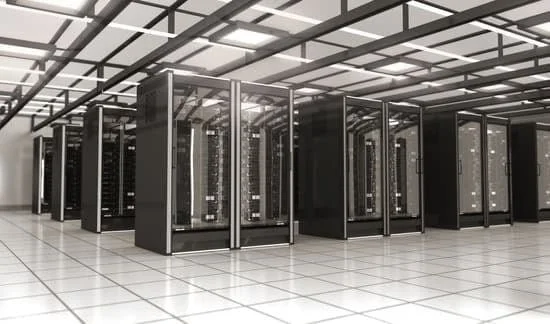
Data centers have quietly become one of the most critical property types in today’s digital economy—and one of the fastest-growing segments in commercial real estate.
At a basic level, a data center is a highly specialized facility designed to house servers, networking equipment, and data storage systems. These buildings support cloud computing, streaming services, artificial intelligence, financial transactions, e-commerce, and just about every digital interaction we rely on daily. Unlike traditional office or industrial properties, data centers are built around massive power capacity, advanced cooling systems, redundancy, and security to ensure near-constant uptime.
So why the surge in demand?
The growth is being driven by several powerful trends. Cloud adoption continues to accelerate as companies move data and applications off-premise. AI, machine learning, and big data analytics require enormous computing power. Streaming, remote work, and connected devices are pushing data consumption to new highs. All of this data needs to live somewhere, and data centers are the backbone, making it possible.
From a commercial real estate perspective, data centers are especially attractive because they often feature long-term leases, high-credit tenants, and significant capital investment from operators, which can lead to stable cash flows. Locations with access to reliable power, fiber connectivity, and favorable zoning are seeing heightened competition, while secondary and tertiary markets are increasingly on the radar as capacity constraints hit major hubs.
In short, data centers are no longer a niche asset class. They are essential infrastructure for the modern economy. Their rapid expansion is reshaping investment strategies, site selection, and development across the commercial real estate industry.
