
The Commercial Kitchen’s built-in protection system
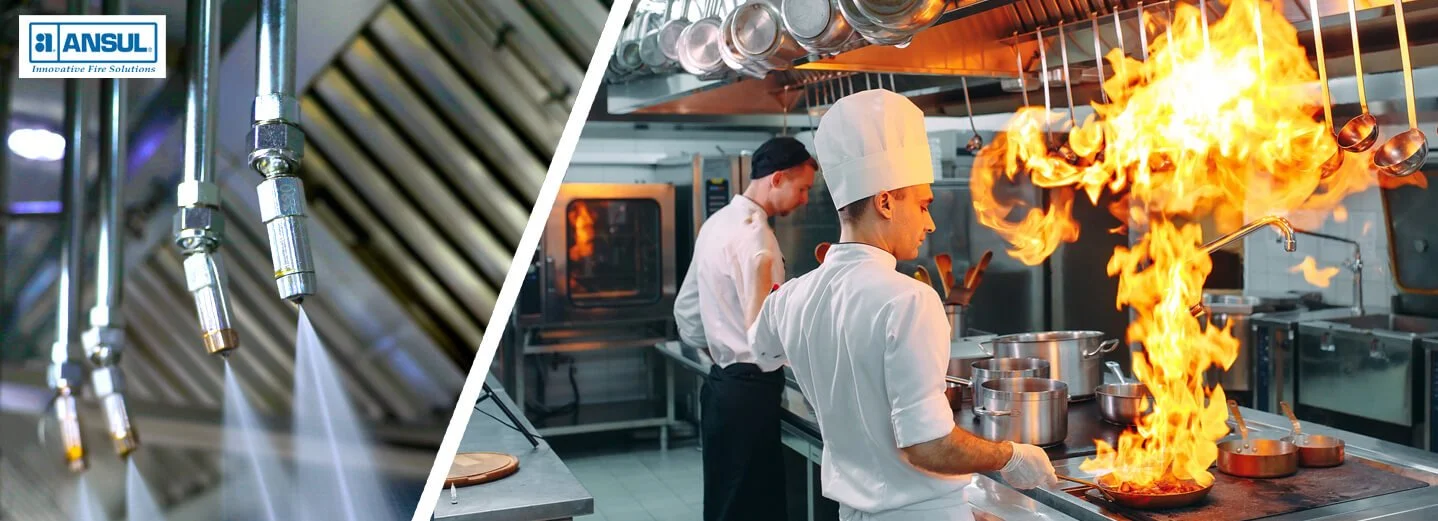
When evaluating restaurant or food-service properties, the hood and Ansul system should be on your due-diligence checklist. Together, they function as the kitchen’s ventilation and fire suppression backbone—critical for both safety and compliance.
The hood system removes heat, smoke, and grease-laden vapors from cooking equipment, helping maintain air quality and reducing fire risk. The Ansul system (the industry-standard wet chemical suppression system) automatically activates if a grease fire occurs, deploying a specialized agent that smothers flames and shuts down the fuel source.
For CRE investors, these systems matter because they:
Support NFPA code compliance required to legally operate commercial kitchens
Reduce fire risk and potential liability exposure
Impact insurance eligibility and premiums (most carriers require semiannual inspections)
Signal whether a space is truly restaurant-ready vs. requiring costly upgrades
Bottom line: A properly installed and maintained hood and Ansul system protects the asset, the tenant, and your investment returns.
If you’d like a quick checklist for evaluating food-service spaces, I’m happy to share.
