
impervious coverage: What You Need to KNow
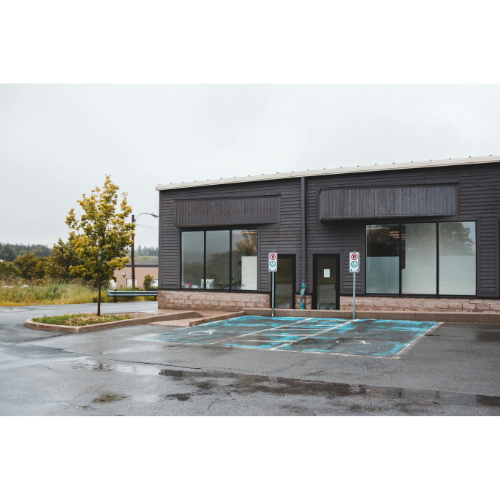
If you’re evaluating or managing a commercial property, impervious coverage is one of those behind-the-scenes factors that can quietly shape what’s possible on a site.
At a basic level, it refers to any surface that doesn’t allow water to soak into the ground. Some examples include:
The building footprint
Paved areas: parking lots, driveways, sidewalks, loading zones
Pools
Patios
Retaing Walls
Heavily compacted gravel or dirt paths
Here's why it matters. If you’re looking at a property, especially in areas with stricter zoning, such as Chester County, impervious coverage limits can impact what you're trying to do.
Zoning & Development
Most municipalities cap the amount of a lot that can be covered by impervious surfaces. If you want to expand or add features, you’ll need to stay under that limit. If you go over your limit, you'll likely enter a variance process that involves detailed site plans, engineering reviews, public hearings, and approvals from local boards.
Stormwater Costs
Many areas charge fees based on impervious surface area. More coverage usually means higher ongoing costs.
Environmental Impact
More hard surfaces lead to faster runoff, which can contribute to flooding, pollution, and erosion.
How It’s Calculated
(Impervious area ÷ total lot area) × 100
The good news: more developers are planning for this earlier—rethinking layouts or incorporating green infrastructure to stay flexible while meeting regulations.
And, while it’s not the most eye-catching part of real estate, but it’s one of those details that quickly becomes important when plans start moving forward.
If you’d like more information on this topic or anything else, I'm here to help!
